Heart health: knowing your numbers and your habits.
Blood pressure, activity, food, sleep, and family history all contribute to the picture, and most can be observed.

Reference points from public health guidance
Why the heart is worth a regular look
Cardiovascular conditions are among the leading causes of death in Indonesia and worldwide, and they often develop quietly over many years. High blood pressure and raised blood sugar or cholesterol seldom cause symptoms at first, which is why periodic measurement is emphasised in public health programmes. Learning these numbers is a practical, non-dramatic step.
Everyday behaviours influence these measures: how often you move, how much salt and processed food you eat, how well you sleep, and how you manage long-term stress. None of them acts alone, and none is a guarantee in either direction; genetics and circumstances also matter. The goal is to improve the odds in a manageable way, with support from a clinician when needed.
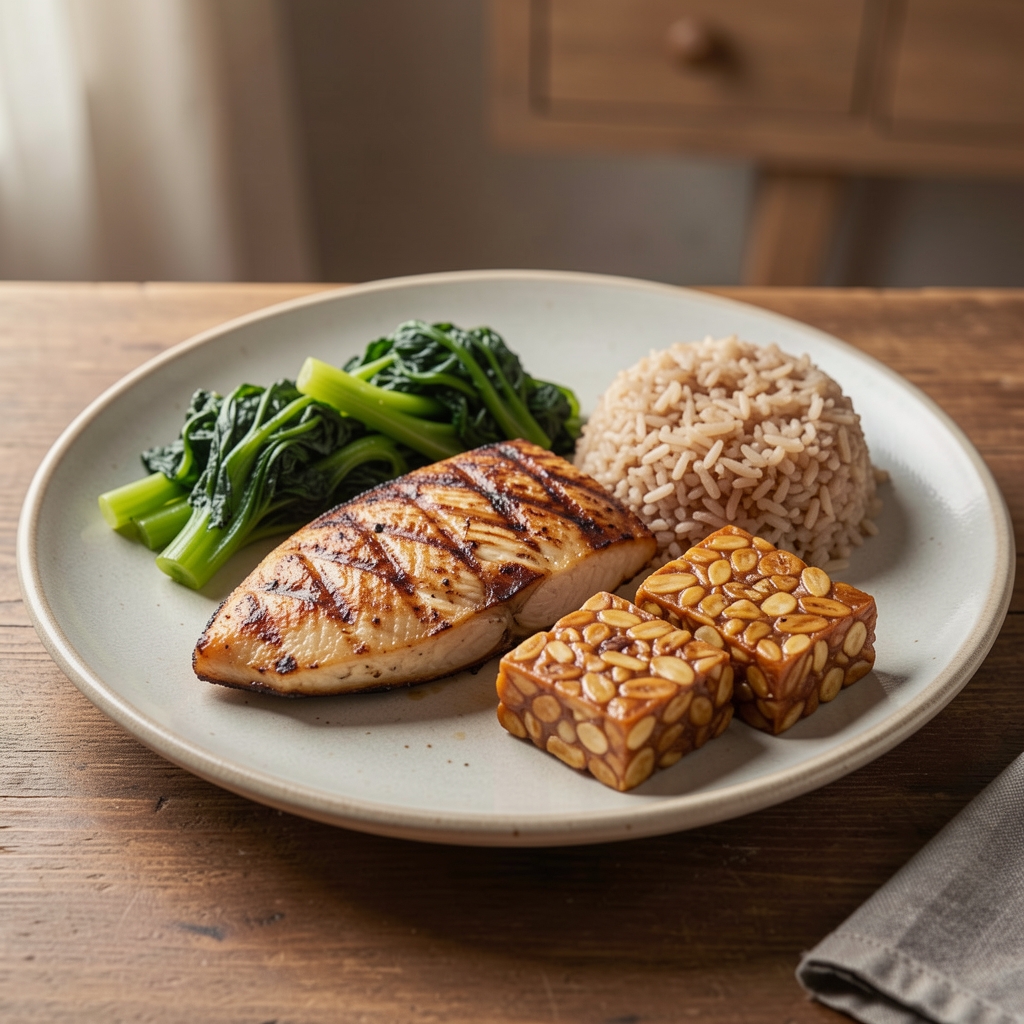
Indonesian cuisine offers a useful range of options. Grilled or steamed fish, tempeh, tofu, vegetables, and legumes can sit comfortably beside traditional dishes, while heavily salted, fried, or coconut-milk-rich foods can be enjoyed in smaller portions.
Numbers to know and discuss
Ranges differ between guidelines and individuals, so use this table as vocabulary for a conversation, not for self-interpretation.
| Measure | What it describes | Where it can be measured |
|---|---|---|
| Blood pressure | Force of blood against artery walls | Puskesmas, Posbindu, clinics, validated home monitors |
| Fasting glucose | Blood sugar after several hours without food | Laboratories and clinics |
| Cholesterol panel | Types of fats carried in the blood | Laboratories on a clinician's request |
| Waist circumference | A simple indicator of abdominal fat | At home with a tape measure |
| Resting pulse | Heart beats per minute at rest | At home, after sitting quietly |
Heart health is built from ordinary Tuesdays: a walk, a vegetable, a night of sleep, a blood pressure reading that is noted and not forgotten.
A weekly heart-friendly checklist
- Walk briskly on most days, building toward 150 minutes spread across the week.
- Do two short strength sessions using body weight, bands, or light weights.
- Include vegetables or fruit at most meals and prefer legumes, fish, and plain tempeh as regular protein.
- Taste before adding salt, soy sauce, or sambal, and watch packaged snacks.
- Keep a regular bedtime and notice snoring or pauses in breathing, which are worth mentioning to a clinician.
- Record blood pressure at a fixed time if your clinician has suggested home monitoring.
Emergency signs
Chest pressure or pain, shortness of breath, pain spreading to the arm or jaw, sudden weakness, trouble speaking, or fainting require immediate help. Call 119 or go to the nearest hospital emergency department; do not wait for symptoms to pass or drive yourself.
Medicines and family history
If you take medicines for blood pressure, cholesterol, or blood sugar, continue them as prescribed and ask your clinician before making major changes in diet or exercise. Tell your doctor about close relatives who developed heart conditions early, because this influences how screening is planned. This page offers general information and does not replace individual advice; see our disclaimer.
Heart health questions
How often should blood pressure be checked?
Many adults have it checked at least once a year, and more often if values are elevated. Your clinician can recommend a schedule.
Can I exercise if I have not been active?
Most people can begin with gentle walking. If you have symptoms or known conditions, discuss a starting plan with a clinician.
See also check-ups and workouts. Placid, Jl. Cendrawasih No. 88, Kebayoran Baru, South Jakarta 12120, +62 813 7755 3399.