Ageing well is a long conversation with change.
Capacity can grow through care, adaptation, and support at every decade.
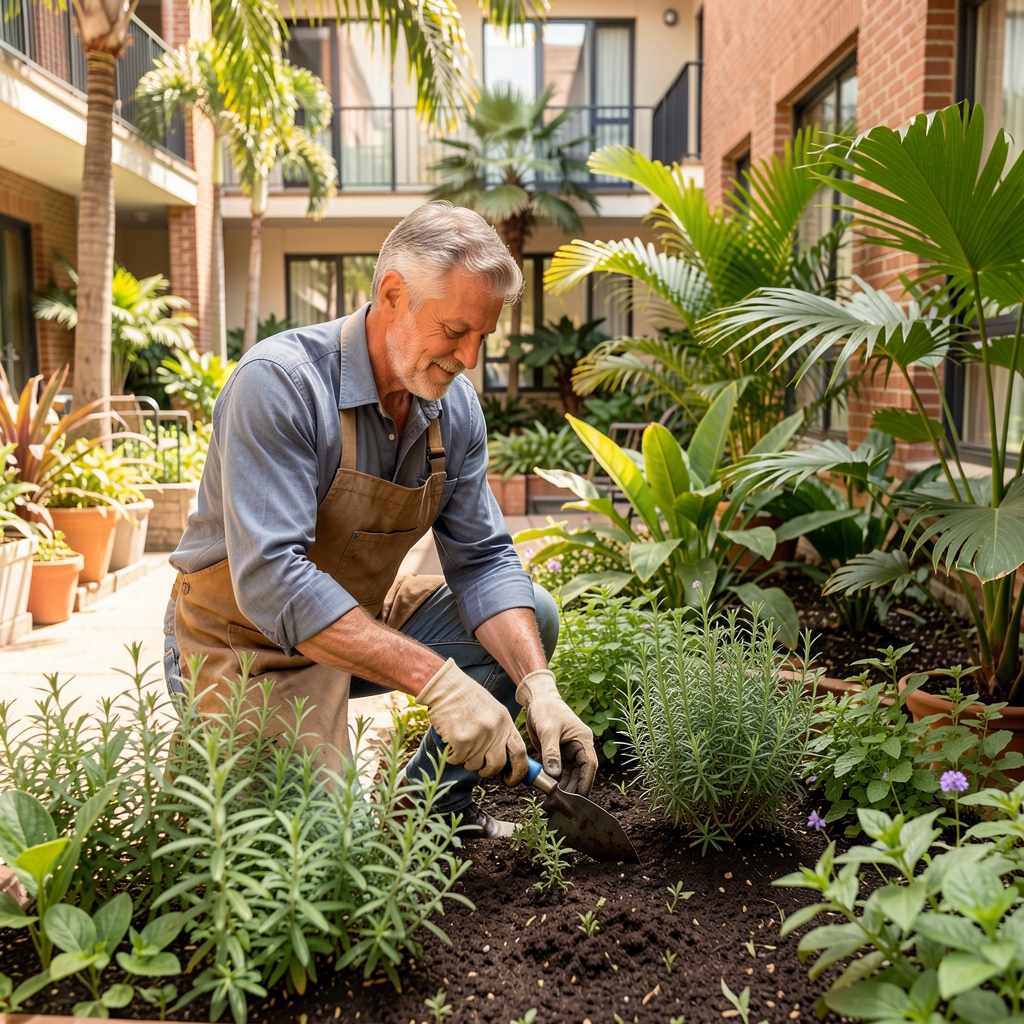
Keep the basics visible
Strength, balance, sleep, food variety, social connection, hearing, vision, and preventive care interact over time. A small routine today can protect options later, but age alone does not determine what someone can do.
Many men notice the first changes between thirty and fifty in ordinary places: a longer recovery after a weekend football match, a stiffer back after a day at a desk, or a need for brighter light when reading small print. These observations are not verdicts. They are information, and they are most useful when written down and compared over months rather than judged on a single bad day.
Indonesian family life often places men in the role of provider and decision-maker, which can make slowing down feel like a failure of duty. Reframing maintenance as part of caring for the household helps: a man who keeps his strength, hearing, and mood steady is easier for his family to rely on, and easier to enjoy being around.

A decade-by-decade view
These are general themes, not rules. Individual health history, work, genetics, and access to care all shape the picture.
The thirties: set the baseline
Muscle mass and bone density are usually near their peak, which makes this a practical decade to learn how your body feels when it is working well. Note your resting pulse, usual sleep length, waist measurement, and typical energy across a normal week. A first set of routine check-up results, such as blood pressure and fasting glucose, becomes a personal reference for later years.
The forties: protect the routine
Work responsibilities, children, and caring for parents often peak together, and the first thing to give way is usually sleep or exercise. Two short strength sessions and a daily walk are easier to keep than an ambitious plan that collapses in a busy month. This is also a sensible time to ask a clinician which screening conversations are relevant for your family history.
The fifties: look at balance and senses
Gradual changes in vision, hearing, and joint comfort become more noticeable. Standing on one leg while brushing teeth, climbing stairs without a rail, and asking family if the television is louder than before are simple ways to notice early. Dental visits and eye examinations deserve the same regularity as blood pressure checks.
The sixties and beyond: keep independence in focus
The questions shift toward falls, medicine lists, mood, and staying connected to community. Strength work remains useful, and so does conversation: with neighbours, religious or hobby groups, and family. Many older Indonesians describe the daily morning walk or the neighbourhood posyandu lansia gathering as the anchor of their week.
Common areas to keep an eye on
The table summarises topics often raised in routine conversations with a clinician. It is an orientation aid, not a checklist for self-diagnosis.
| Area | What people often notice | Everyday habit that supports it |
|---|---|---|
| Muscle and strength | Heavier bags feel heavier; stairs take more effort | Two weekly sessions of body-weight or band exercises |
| Balance | Unsteadiness on wet floors or when turning quickly | Standing practice, supportive footwear, good lighting at home |
| Sleep | Lighter sleep, earlier waking, evening tiredness | Regular wake time, daylight exposure, quiet evenings |
| Hearing and vision | Asking people to repeat; difficulty with night driving | Scheduled eye and hearing reviews with a professional |
| Mood and motivation | Loss of interest, irritability, withdrawing from friends | Regular contact, time outdoors, talking with a trusted person |
| Medicines | Several prescriptions from different clinics | One written list reviewed at each appointment |
Plan with people
Discuss changing symptoms, medicines, falls, mood, and independence with trusted people and qualified professionals. Support is a health resource, not a sign of failure.
In practice this can be as simple as asking a family member to join a clinic visit, sharing the medicine list with a sibling, or telling a friend that you are trying a new walking routine so that they can ask how it is going. Conversations held early are usually easier than those held during a crisis.
A reflection on time
Ageing is not a single event but a series of adjustments. The useful question is rarely how to look younger; it is what you would like to be able to do, and who can help you keep doing it.
Small steps worth considering
- Write a short list of activities you want to keep doing in ten years, such as lifting a grandchild, travelling home for Lebaran, or cycling to the market.
- Choose one strength exercise, one balance exercise, and one walking route, and repeat them for a month before changing anything.
- Keep a single folder, paper or phone, with test results, vaccination dates, and medicine names.
- Arrange hearing and vision checks on the same day each year as another routine reminder, such as a birthday.
- Stay in touch with at least two people outside your household every week.
Questions readers ask about ageing
Is it too late to start strength training in later decades?
Research on older adults generally shows that muscles respond to resistance work at many ages. The starting load should be modest and agreed with a clinician if you have heart, joint, or blood pressure concerns. Progress is usually measured in months, not days.
How often should I see a clinician if I feel well?
There is no single schedule. Many adults discuss a routine review once a year or every two years, depending on age, family history, and earlier results. Your clinician can suggest a rhythm that fits your situation, and community health centres such as puskesmas can be a starting point.
Which changes should not be waited out?
Sudden chest discomfort, difficulty speaking, sudden weakness on one side, a fall with injury, or rapid unexplained change in weight or mood call for prompt professional help. In an emergency in Indonesia, call 119 or go to the nearest hospital emergency department.
For more questions, see our full FAQ or the check-ups guide. Placid is an editorial publication and does not offer medical advice; our address is Jl. Cendrawasih No. 88, Kebayoran Baru, South Jakarta 12120, and you can call +62 813 7755 3399.