Digestion: a quiet system that responds to routine.
Fibre, fluids, meal rhythm, movement, and stress all shape how comfortable eating feels.
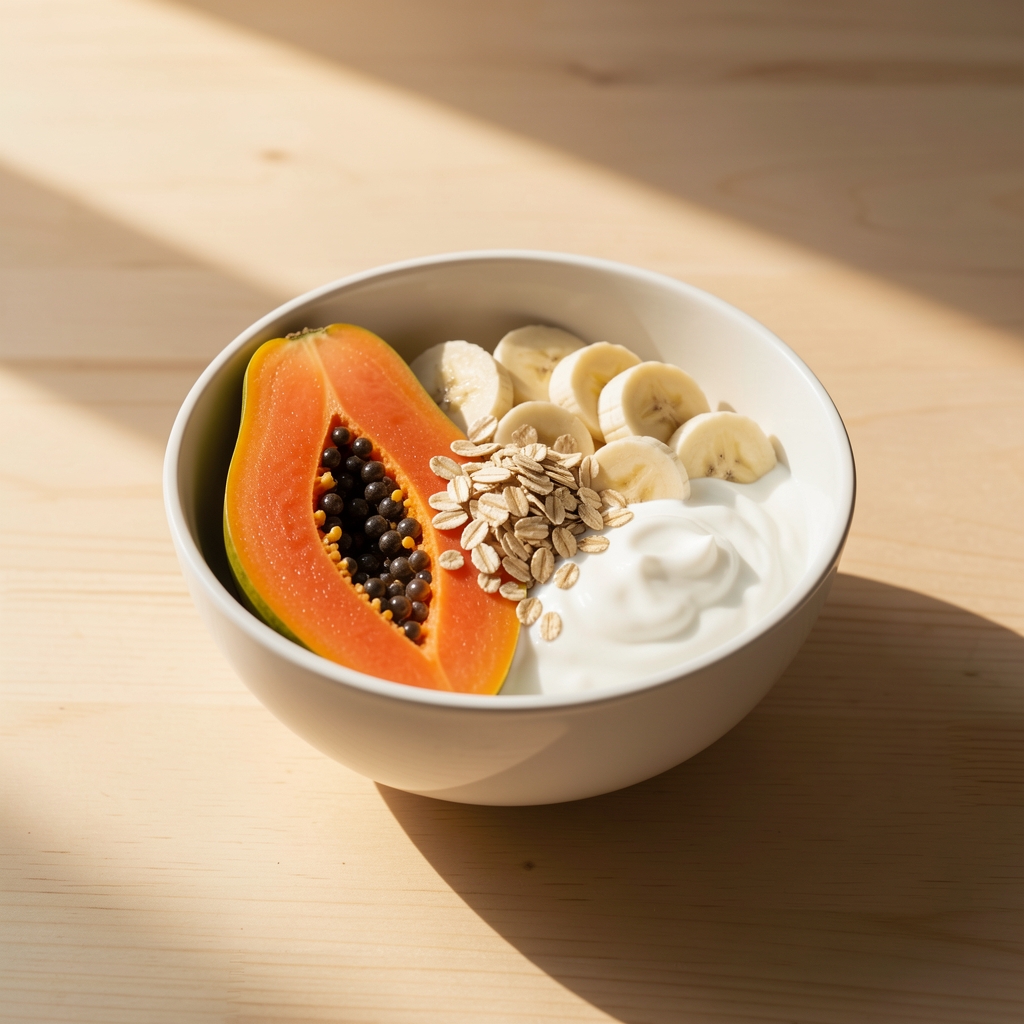
Three habits that shape gut comfort
Most day-to-day digestive comfort is influenced by ordinary habits rather than special products.
Fibre variety
Dietary fibre comes from vegetables, fruit, legumes, nuts, and whole grains. Different fibres feed different gut bacteria, so variety matters more than any single food. Many Indonesian staples fit well: tempeh, kangkung, spinach, long beans, papaya, and brown or mixed rice. Increase intake gradually, because a sudden rise can cause gas and bloating.
Fluids and rhythm
Fibre needs water to move comfortably. A regular meal pattern also helps, since the gut follows daily rhythms and often responds to the morning meal. Eating slowly and chewing well gives the body time to signal fullness.
Movement and calm
Walking after meals encourages gentle gut activity, and many people notice that digestion changes during stressful weeks. The gut and the nervous system communicate constantly, which is why worry can show up as stomach discomfort.
How the system works, in brief
Food is broken down in the mouth, stomach, and small intestine, where most nutrients are absorbed. What remains travels to the large intestine, where trillions of bacteria, collectively called the gut microbiota, ferment fibre and produce compounds that the body can use. Muscular waves, called peristalsis, move content along over roughly one to three days in most healthy adults.
There is wide variation in what counts as typical. Some people have a bowel movement daily, others every other day, and both can be normal when stools are comfortable. Changes from your own pattern, rather than comparison with others, are what usually matter.
Research on the microbiota is active and exciting, but claims about specific products or cleanses often go beyond the evidence. A diet with diverse plants is the most consistently supported approach to caring for gut bacteria.
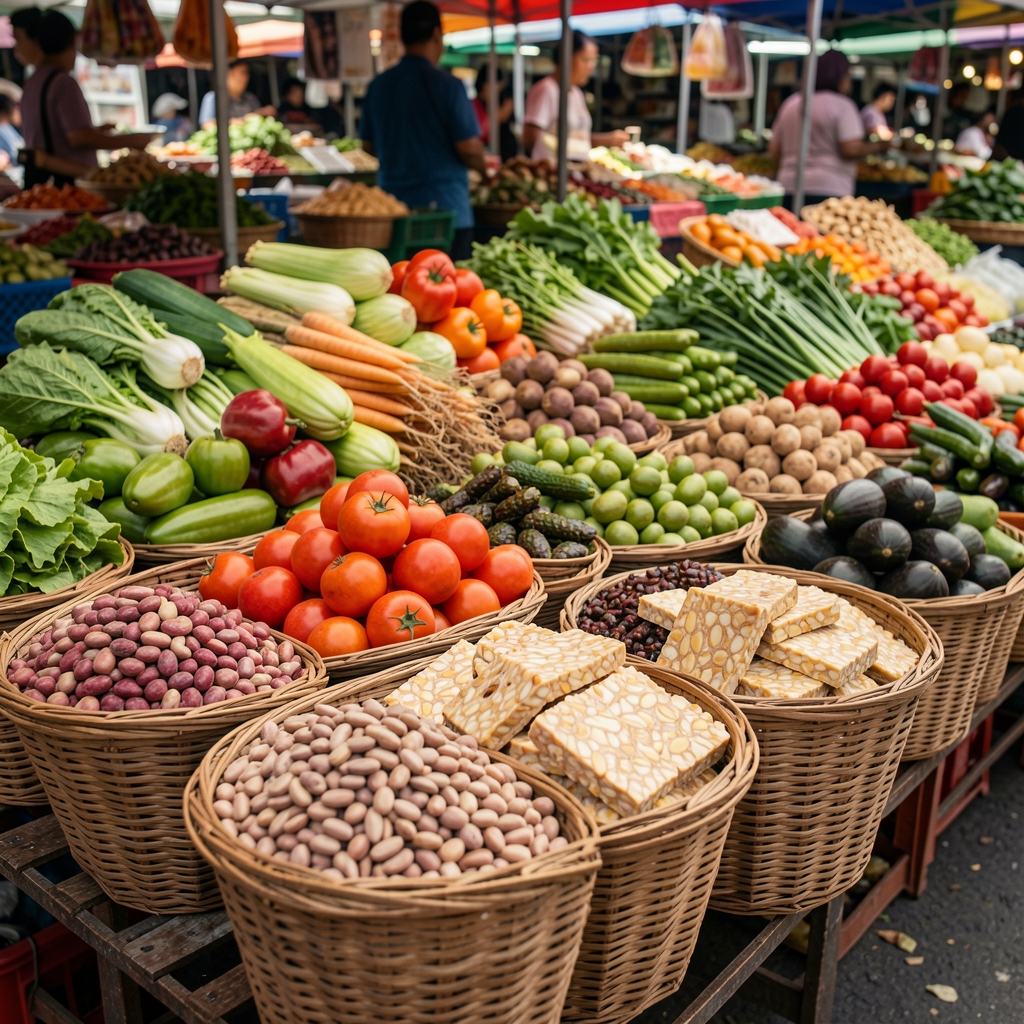
Raising fibre comfortably over three weeks
Week one: add one portion
Add one extra portion of vegetables or fruit to a meal you already eat, such as a handful of beans in a soup. Drink water with the meal and note how you feel in the following hours.
Week two: swap one staple
Replace part of the white rice with mixed grains, or choose whole-grain bread on some days. Keep portions steady and watch for comfort rather than speed.
Week three: widen the variety
Try a legume you do not eat often, such as chickpeas or red beans, and a new leafy vegetable. If gas increases, step back to the previous week for a few days before moving on.
Gut vocabulary
Microbiota
The community of bacteria and other microorganisms living in the digestive tract.
Fermented foods
Foods such as tempeh, tape, and yoghurt that are made with the help of microorganisms. They are part of many culinary traditions and can add variety to meals.
Soluble fibre
Fibre that dissolves in water and forms a gel, found in oats, beans, and fruit.
Insoluble fibre
Fibre that adds bulk to stools, found in whole grains, vegetable skins, and nuts.
Signs that deserve professional attention
Blood in stool, black stools, unexplained weight change, persistent abdominal pain, difficulty swallowing, ongoing vomiting, or a lasting change in bowel habits are reasons to see a clinician soon rather than adjust diet alone. Digestive symptoms have many possible causes, and only an examination can distinguish them.
Practical routines
- Eat at similar times and avoid very large late meals when sleep is an issue.
- Include a source of plant fibre at two or three meals each day.
- Keep a water bottle nearby and sip regularly.
- Walk for ten to fifteen minutes after your main meal when possible.
- Notice and write down foods that feel uncomfortable, then discuss patterns with a dietitian before removing anything.
Points to remember
- Comfort is individual; there is no universal ideal diet.
- Change one thing at a time so you can notice what helps.
- Persistent symptoms deserve professional assessment.
Questions about digestion
Do I need a cleanse or detox?
The liver and kidneys already process waste. There is no established need for special cleanses, and some products can cause harm. Regular meals, fibre, and fluids are the usual starting point.
Is fermented food useful for everyone?
Many people enjoy and tolerate it, but responses vary. If you have a condition or take medicines, discuss it with a clinician.
Why do I feel bloated when I eat more vegetables?
A rapid rise in fibre can cause temporary gas as gut bacteria adjust. Gradual changes and adequate fluids usually make it easier.
Related reading: nutrition, hydration, food journal. Placid is at Jl. Cendrawasih No. 88, Kebayoran Baru, South Jakarta 12120; phone +62 813 7755 3399.